


Water damage is one of the most common and costly problems property owners face today. From minor leaks to catastrophic pipe bursts, water-related incidents can cause thousands of dollars in damage within hours.
However, what many people don’t realize is this:
Water damage is rarely sudden—it follows a predictable process.
Understanding this process is the key to prevention.
A smart water valve is designed to stop water damage before it escalates. Instead of reacting after damage occurs, it detects early warning signs, analyzes abnormal patterns, and automatically shuts off the water supply—often within seconds.
In this guide, we will break down:
- How water damage actually happens
- Where traditional systems fail
- How smart water valves intervene at each stage
- And how to choose the right solution for your application
Quick Answer: How Smart Water Valves Prevent Water Damage
A smart water valve prevents water damage by:
- Continuously monitoring water flow and pressure
- Detecting abnormal patterns such as leaks or unusual usage
- Sending real-time alerts to users
- Automatically shutting off the main water supply within seconds
This combination of detection, analysis, and automatic action allows the system to stop damage at its earliest stage.
Why Water Damage Happens More Often Than You Think
Most people associate water damage with major accidents, such as a burst pipe or flooding. But in reality, most incidents start small.
Common causes include:
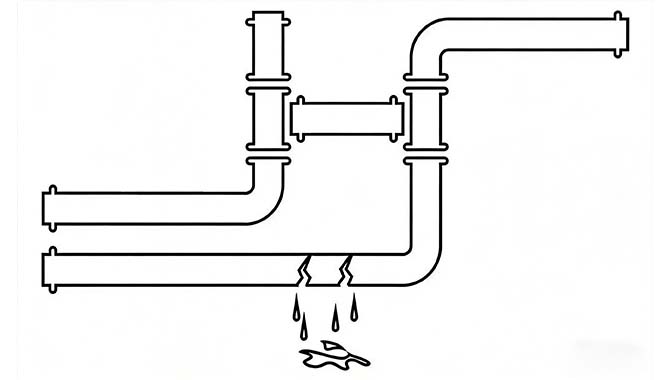
- Slow leaks under sinks or inside walls
- Aging or corroded pipes
- Loose fittings or connections
- Appliance hose failures (washing machines, dishwashers)
- Frozen pipes during winter
- Continuous unnoticed water flow
The real problem is not just the leak—it’s the delay in detection.
In many cases:
- Water flows for hours or days unnoticed
- Damage spreads silently behind walls and floors
- By the time it is discovered, repairs are already expensive
This is where traditional systems fail—and where smart systems create value.
The Water Damage Timeline: From Minor Leak to Major Loss
To understand prevention, we need to understand how damage develops.
Stage 1: Hidden Leak Begins
At this stage:
- Water leaks slowly (drops or low flow)
- No visible signs are present
- The issue often goes completely unnoticed
This is the best opportunity for prevention, but also the stage most commonly missed.
Stage 2: Continuous Water Flow
As the leak continues:
- Water accumulates in hidden areas
- Floors, walls, and cabinets begin absorbing moisture
- Humidity levels increase
At this stage, damage is still reversible—but detection is critical.
Stage 3: Structural and Material Damage
Now visible damage begins:
- Wood flooring warps
- Drywall absorbs water
- Cabinets swell
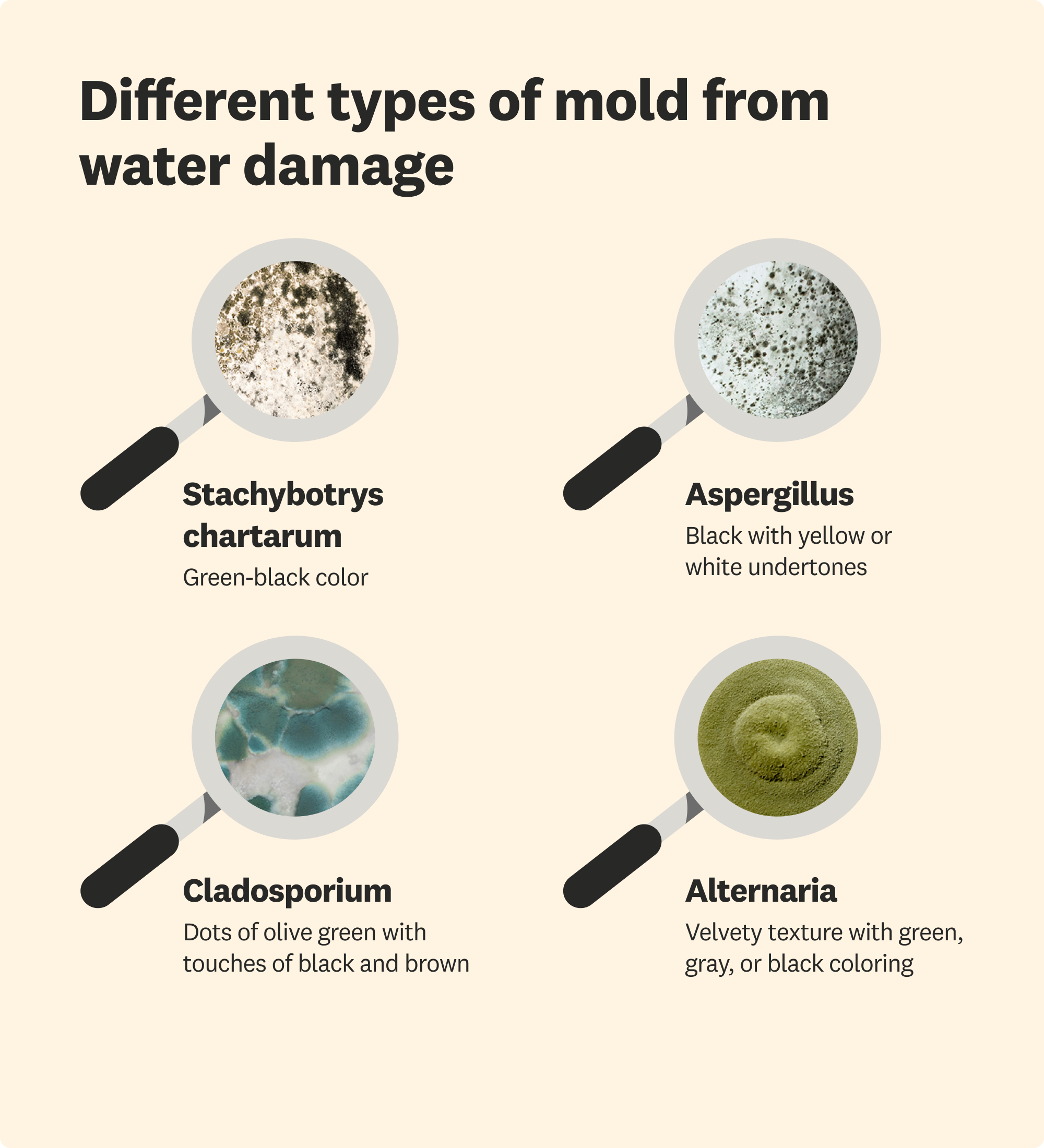
- Mold risk starts increasing
Repair costs begin rising significantly at this stage.
Stage 4: Escalation or Pipe Failure
The situation worsens due to:
- Increased water pressure
- Pipe rupture
- Weak structural areas
Water flow may suddenly increase, turning a minor issue into a major incident.
Stage 5: Major Water Damage
At this stage:
- Large areas are flooded
- Electrical systems may be affected
- Furniture and equipment are damaged
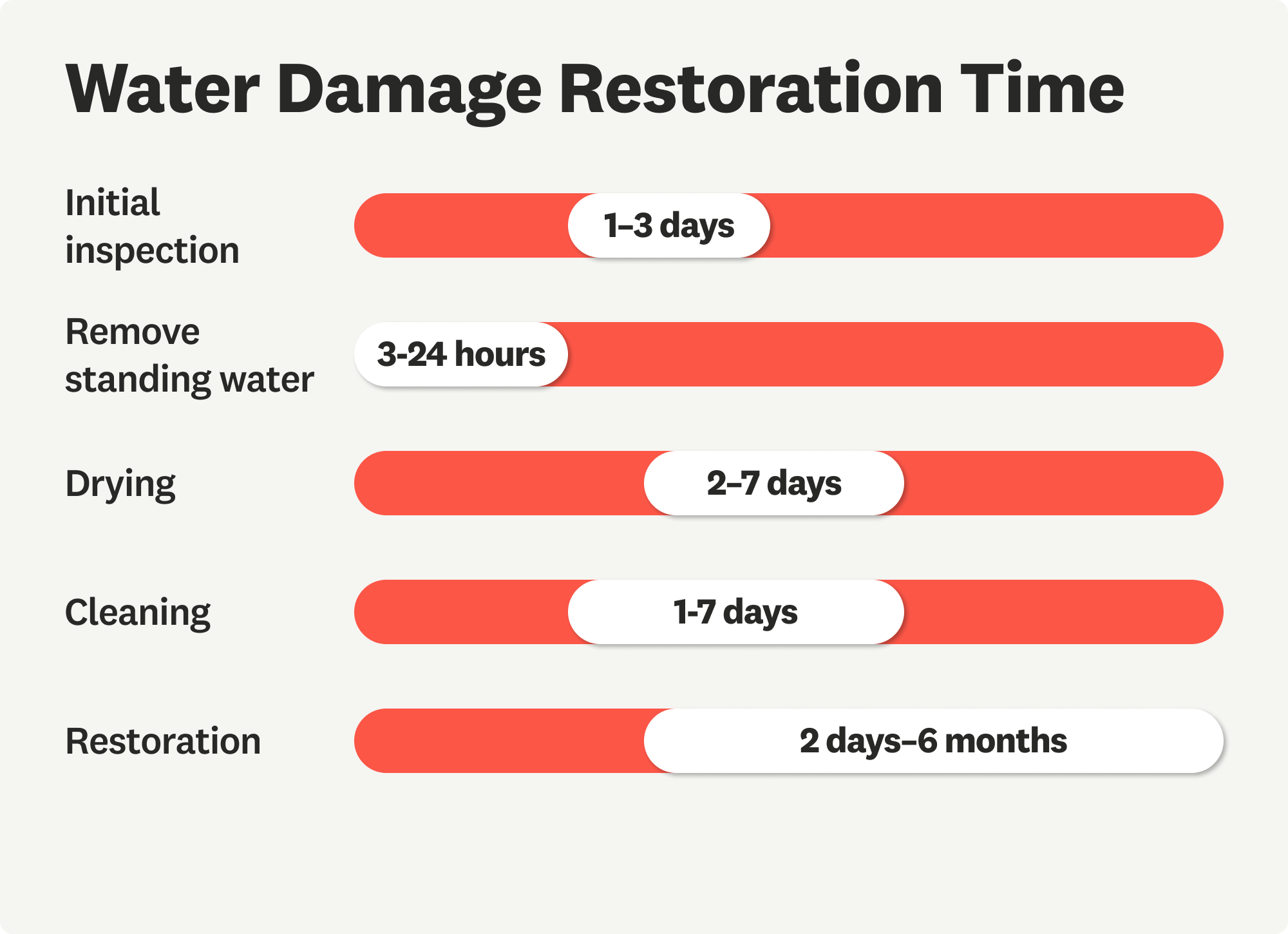
- Restoration becomes costly and time-consuming
What started as a small leak has now become a serious disaster.
How Smart Water Valves Interrupt This Process
A smart water valve is designed to intervene early—before visible damage occurs.
Stage 1: Early Detection
The system continuously monitors:
- Water flow
- Pressure changes
- Usage patterns
Even small anomalies—such as continuous low flow—can trigger detection.
Stage 2: Intelligent Analysis
Advanced algorithms compare real-time data with normal usage patterns.
Examples of abnormal behavior:
- Water usage at unusual hours
- Continuous flow when no one is home
- Sudden pressure drops
This allows the system to distinguish between normal use and potential leaks.
Stage 3: Instant Alerts
When abnormal activity is detected:
- Users receive real-time notifications
- Alerts are sent via mobile apps or connected systems
This ensures awareness—even when you are not on-site.
Stage 4: Automatic Shutoff
If the system confirms a risk:
- The valve automatically shuts off the main water supply
- Response time is typically within seconds
This is the most critical step—it stops the damage from spreading.
Stage 5: Damage Containment
By stopping water flow early:
- Structural damage is minimized
- Repair costs are significantly reduced
- Mold growth risk is lowered
The entire chain of damage is interrupted.
Why Response Time Matters: Minutes vs Hours
Water damage is highly time-sensitive:
- Within minutes → water begins spreading
- Within 1 hour → materials absorb moisture
- Within 24 hours → mold may begin forming
Traditional systems rely on human response—which is often delayed.
Smart water valves reduce response time from hours to seconds.
This difference determines whether the outcome is minor inconvenience or major financial loss.
Real-World Use Cases
Homeowners
Biggest risk: unattended leaks
Examples:
- Pipe bursts during vacation
- Appliance failure overnight
- Slow leaks under cabinets
Smart valves provide automatic protection even when no one is home.
Rental Properties & Vacation Homes
Challenges:
- Low occupancy
- Delayed reporting by tenants
Smart valves enable remote monitoring and automatic shutoff.
Commercial Buildings
Risks include:
- Operational disruption
- Property damage
- Maintenance costs
Smart valves provide continuous monitoring and risk control.
Industrial & Facility Management
In complex systems:
- Small leaks can affect large operations
- Downtime can be costly
Smart valves integrate into monitoring systems for proactive management.
Reliability and Control: Addressing Common Concerns
Many users ask:
Will the system shut off water by mistake?
Modern systems use pattern analysis and adjustable sensitivity to reduce false triggers.
Does it work without Wi-Fi?
Most systems support local operation. Remote alerts require connectivity.
What happens during power outages?
Many models include battery backup or fail-safe designs.
Can I override it manually?
Yes, manual control is typically available.
These features ensure both automation and user control.
Installation and Compatibility
Smart water valves are designed for easy integration:
- Installed on main water supply line
- Compatible with standard pipe sizes (½”, ¾”, 1”)
- Works with materials like PEX, PVC, copper
Most installations can be completed within 30–60 minutes.
(You can refer to a detailed installation guide for step-by-step instructions.)
Cost vs Risk: Why Prevention Is Worth It
Water damage can cost:
- Flooring replacement
- Wall repairs
- Mold remediation
- Equipment damage
Typical repair costs can reach $5,000–$20,000+
In comparison:
A smart water valve is a one-time investment
Preventing just one incident often covers the entire cost.
Choosing the Right Smart Water Valve
When evaluating options, consider:
- Residential vs commercial application
- Pipe size and compatibility
- Connectivity requirements (Wi-Fi, Zigbee, etc.)
- Integration with smart home or building systems
For many businesses and distributors, standard products may not be enough.
Custom Smart Water Valve Solutions (OEM / ODM)
For brands, distributors, and project-based clients, customization is often required.
As a manufacturer, we provide flexible solutions including:
- Protocol customization (Wi-Fi, Zigbee, Tuya, etc.)
- Valve size and interface options
- Private labeling (OEM branding)
- Functional customization based on use case
- Integration with smart home or industrial systems
Whether you are building your own product line or managing a large project, customization ensures better market fit and performance.
If you are evaluating a project or need technical specifications, you can request detailed information based on your requirements.
Frequently Asked Questions
How fast can a smart water valve shut off water?
Typically within seconds after detecting abnormal flow.
Can it detect all types of leaks?
It detects most leaks based on flow and pressure changes.
Is it suitable for commercial use?
Yes, especially for properties requiring continuous monitoring.
Does it require professional installation?
Not always—many systems support DIY installation.
Can it work with smart home systems?
Yes, many models support integration with platforms like Alexa or Google Home.
Conclusion
Water damage is not a random event—it is a process.
From a small hidden leak to large-scale flooding, each stage presents an opportunity for prevention. The problem is that traditional systems rely on human awareness, which often comes too late.
Smart water valves change this dynamic.
By detecting abnormal behavior early, analyzing patterns, and automatically shutting off water supply, they stop damage before it escalates.
For homeowners, property managers, and businesses, this means:
- Greater control
- Lower risk
- Reduced costs
If you are exploring solutions for your property or product line, understanding how prevention works is the first step toward making the right decision.